Friday, September 30, 2011

Reflections


Two weeks into my slow home challenge, and I have to say that I have learned a good deal about this movement, but I am also fairly certain that I still have a lot more to understand. I'm learning to love and appreciate my house and all that it offers us. It is more than bricks, wooden floors and a roof top. Despite the scattered toys, the piles of "stuff," here and there, and the smeared finger prints and dog drool on the widows, this place is our HOME. It represents a place of comfort and a starting point from which we jump into our lives each day. It is a work in progress, (and probably always will be!) but what I want more than anything is for this house to become a true reflection of our family, and it through this slow home challenge that I feel this will come about.

This week I set a goal to improve our outdoor living space, to give that space more of the qualities associated with slow home living. I feel great about the cool weather garden we planted, and am excited to watch the growth that occurs and feel pride in the finished product (fingers crossed!). Yet, aside from that, all kinds of weeding, and working to de-clutter the outdoor toys and surplus garden supplies, I still feel as though there is something missing. I can't help but feel that I didn't challenge myself quite enough this week. Perhaps this is one of those weeks where I have to accept that the space may not have needed that much transformation, that aside from a major transformation (and major money) not much could have been changed.

So be it.

I've lived in a lot of houses throughout my life, (in fact, too many to take the time to count right now) but there are a few where the backyard/outdoor living space really stand out in my mind.

One such place, one of the two houses from my childhood in Maine, was surrounded by a deep forest that actually backed up to a small, rocky beach on the ocean. On the edge of those woods in our backyard my dad hung a big tire swing in an old sturdy Oak tree. I have great memories of spending hours with my sisters swinging on that swing as well as exploring in the woods behind it. With so much of nature's best practically spilling into our home, that property was an amazing and truly magical place to be a child. All of my days spent playing there were nothing but fantastically slow...


Cow Beach, York Maine

Here, we only have one tree in our backyard, and despite the fact that it is shared among the property of two other neighbors, it is a large walnut tree, and does provide some decent shade to a portion of the yard.

I really miss trees.

I do however live practically across the street from Alabama's largest outdoor park, Oak Mountain State Park...thankfully, there are lots and lots of trees there, not to mention plenty of nature's best. I'll take what I can, and do my best to be thankful for it!

I wish I could say that I'm ending this week's challenge having made some incredible and massive changes to our outdoor space so that it is better aligned with slow home living...Instead, I had the chance to recognize the fact that most of it already was that way.

After a little more work this weekend, I'll post some pictures of the updates I've made to our outdoor living space.

Next week's challenge: The Laundry Room/Pantry/Cleaning supply room...sigh...this is going to be a good one, I promise!

Wednesday, September 28, 2011

The Fall Garden is In!

This fall we've planted winter squash, spinach, sugar snap peas, carrots, and several varieties of greens.

About a month ago I planted the seeds for my first ever cool season garden. Yesterday, I decided it was time to get them in the ground. It felt great to take some time to kneel in the dirt and wrap the soil around these growing vegetables. I'm hopeful for some decent crops, but after checking on the little guys this morning, I did see that something has had been nibbling on the leaves of my squash plants. I'll need to lay down some sort of mesh for the time being.

The Slow Home movement is similar in concept to the Slow Food movement where quality, healthy food is celebrated and enjoyed in a mindful manner, not scarfing down a greasy cheeseburger while sitting in your car at a traffic light. Planting a garden somewhere in the outdoor living space of your home not only helps you and your family to get back in touch with nature, but also gives you complete control from growth to plate. If you choose to grow organic produce (which I highly recommend), then you also know exactly what your eating-there's nothing extra.

Shannon Honeybloom, author of Making a Family Home, addresses the issue of an entire generation of Americans-mostly teenagers-who know nothing about the origin of a vast majority of our food. She says, "The problem is, the school children experience the product, the french fry, but have no connection to the process — from farm, to factory, to plate." To read more of her thoughts on this topic, go HERE.

This week as my slow home challenge tackles the outdoor living space, I'll be encouraging my children to help water our newly planted vegetable plants, and we'll begin a more dedicated effort to watch their growth each week.

I'd love to hear about your experiences with planting cool weather gardens!

Tuesday, September 27, 2011

Slowing Down Your Home's Outdoor Living Space


-James Brown


In many ways, the outdoor living space of a slow home should be an extension of your home's interior. The two spaces should both highlight natural beauty. No matter how large or small, the space should be divided to fit the multiple purposes most outdoor living spaces serve-in the same way you would divide the rooms of your home.

Local varieties of trees and shrubs are the best types of plantings, as they'll adapt and thrive better to the particular conditions of your location. In alignment with reducing unnecessary natural resources, minimal watering is also something to keep in mind. Water your yard, landscape and gardens in the early morning, before the sun has a chance to quickly absorb the moisture.

For families, toys and other outdoor clutter should be kept well maintained and in its own designated storage area.

The outdoor living space of a slow home should also reflect each season accordingly. Gardens are a great way to achieve this, and (with a little help from you!) will showcase the best of what nature provides.


This week, I'll be working on:
  •  pulling weeds (ack! But no chemicals here...)
  • reducing the amount of outdoor clutter (so long old and broken soccer goal net)
  • working on our outdoor living room to make it both more personal and functional
  • planting vegetables for our (first) cool weather garden
  • Tidying up shrubs etc...
What about you? What will you be working on this week to create a slow outdoor living space?

Monday, September 26, 2011

Week Two Slow Home Challenge: Outdoor Living Space


In a slow home the outdoor living space is just as much appreciated and mindful as the indoor living area. The outdoor space should be a visual extension of a home's interior.

The folks over at Slow Home Studio (the founders of the slow home movement) have this to say about a slow home's outdoor space:

"Outdoor living spaces are equally important and a Slow Home should have at least one. They
should be visual extensions of the principal indoor living space, bringing many of the
internal functions of the house out into the fresh air and sunlight. In good weather these
spaces can often double the amount of available living space at only a fraction of the cost.
Unfortunately, most fast houses are designed as hermetically sealed boxes and most terraces
are left over spaces that may hold a barbecue but little else. The situation can be even worse
in multi-family units where the balconies are usually oddly shaped, poorly proportioned, and
only the minimum area required by the planning code."


This week I'll be tackling our outdoor living space. Our yard space is fairly decent in size, but the greater majority of it is in the front and sides of the house. This leaves our backyard serving many purposes (doggie zone, kid play area, garden, compost, and deck seating area). The above picture is part of our deck-which I love, in fact, I have often said it is my most favorite "room" of the house. Yet, then there is....this...


Right. You see I have some work to do! I'll check back tomorrow with some more detailed goals and plans, and a few other slow home resources. Till then...

Week 1 Results of My Slow Home Challenge: The Kitchen


Week one of my twelve week slow home challenge is complete! Last week I began the first challenge, The Kitchen. I'm really excited about the results! For me, it was more then just de-cluttering and cleaning, it was the act of simplifying things in the kitchen that truly helps create a slow space.

It was important for me to keep a space in our
kitchen where the kids could be creative-on their
own. I cleaned up the floor space around
their easel and am now storing most of their
supplies in a nearby cabinet.


As for the rest, I made an effort to minimize duplicate sized pots and pans, appliances, and general cooking tools that all took up precious storage space.
In addition, I switched the remaining items to more sized appropriate cabinets. I
also reduced the overall amount of dishes and glassware. With my children now past the toddler years, we have finally moved beyond the world of plastic dishes and utensils (Read this to see my take on plastic in the kitchen). I picked up some great juice glasses from Ikea that are made with very thick glass. My kids love them because using them makes them feel grown up, and I love them because they gave me the freedom to finally ditch the plastic!

 
Remember this awful (and rather embarrassing) clutter magnet I used to refer to as a "work" space? Amazingly, practically every bit of paperwork piled up here went into the recycling bin. I'd literally been walking by this area for weeks without dealing with this pile. In order to keep the clutter at bay, I deemed this small desk Nate's new homework spot, and placed a recycling bin underneath.
All in all, it was an awesome start to my slow home challenge. I knew the kitchen would be tough, but I can't tell you how great it feels to walk into this space now...I already feel as though we're getting a lot closer to how we want our home to feel...nice and slow.
Here's what I accomplished:
  • I worked on workspace in our kitchen and minimized the amount of items on our counter tops to include the few things we use on a daily basis. I either got rid of the rest, or put them away in cabinets. Doing this helped maximize our kitchen prep/work space, and truthfully, makes the kitchen feel a whole lot more inviting.
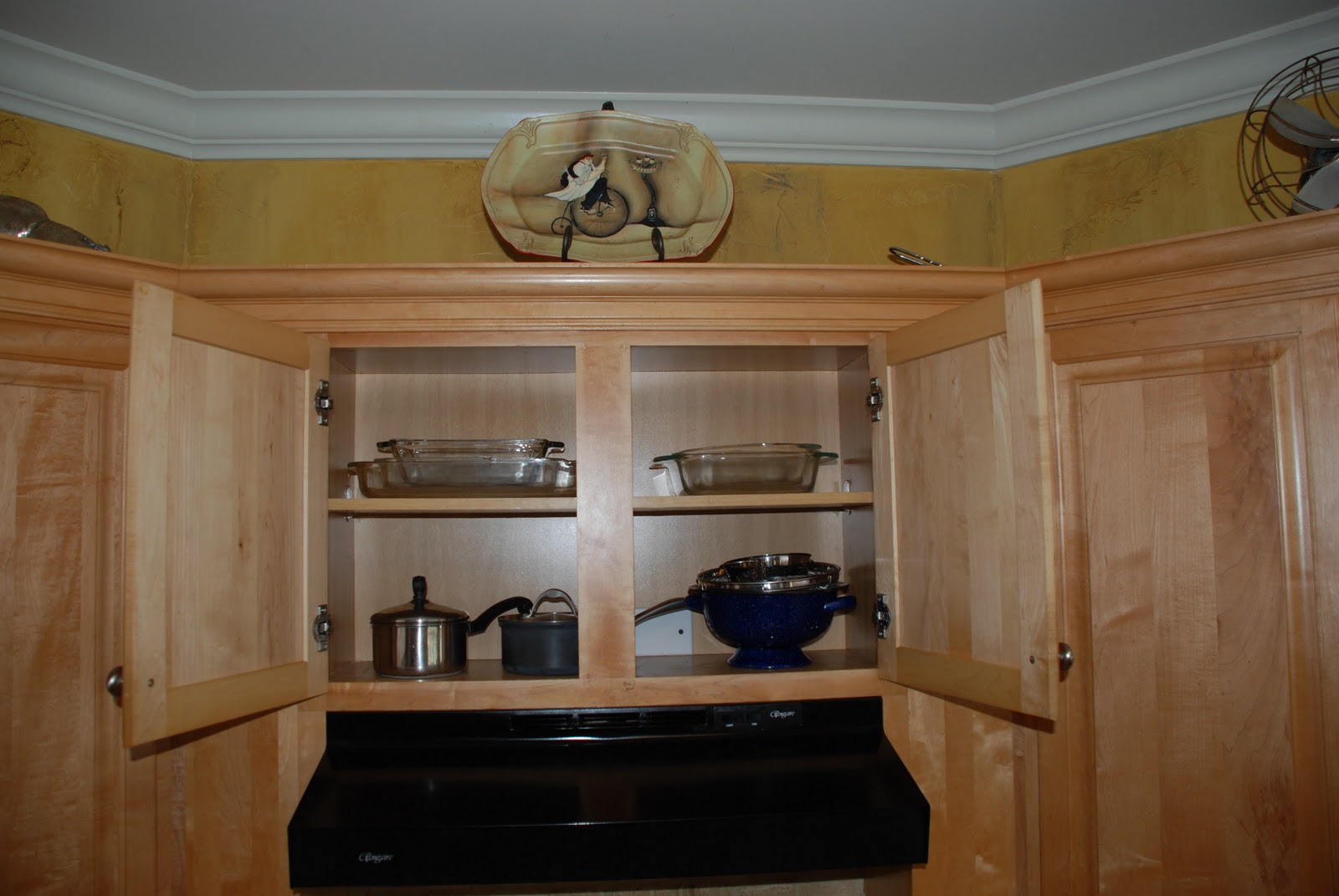
  • I reduced the amount of glassware, dishes, and even appliances we keep in our kitchen cabinets. Some of them (the waffle iron, baby food processor, wok, etc...) I put out of sight, on top of the cabinets. As for the rest, (many duplicates) I sent it all off to our local thrift store.
  • I worked to clear as much of the floor space as possible, so that the people (and dogs) can maneuver easily around the room.
  • I addressed food waste, a big issue for many of us, and worked on some ideas to help reduce the litany of leftovers.
  • I maintained a space for creativity and created a space for school work.
  • I also cleaned up the cluttered coffee/tea station, and returned some of my potted herbs to the backyard deck.

Today I begin week two of my Slow Home Challenge, and will focus on creating a Slow Outdoor space for our home. Check back later on today to learn more about my plans and goals for this week.

Looking to get caught up to speed? Check out the following posts about my Slow Home Challenge:


Friday, September 23, 2011

Reducing Food Waste in A Slow Home Kitchen

On day five of my Slow Home challenge, I'm addressing Food in a Slow Kitchen...

Food waste in America remains a huge issue of concern. On average, the U.S. produces nearly twice as much food than is actually consumed-wasting a staggering 40% of food produced. This is especially sad when according to the USDA, last year nearly 17.2 million households struggled to put food on the table each day. Additionally, an estimated 16.5 million American children go hungry every day because they either don't have access to food, or their families can't afford to buy it.

In my home, the majority of our family's food waste ends up in our compost, but I know I can definitely do more. Preventing food waste in the first place, is really what I need to improve upon.

In the last few months I've started shopping more deliberately, armed with a weekly meal plan, based on sales, coupons, and most important, what's in season. While our family loves to shop at local farmer's markets, our weekend schedule often doesn't permit the time, so I'll opt for the next best available chooses at the grocery store- fruits and vegetables that are labeled as being grown right here in Alabama or in bordering states. That way, I know I'm supporting the local food industry, and serving my family what's being grown during the current season.
Tips and recipes to reduce food waste - Love Food Hate Waste

Love Food, Hate Waste, is a UK government funded campaign that aims to raise awareness of the need to reduce food waste. 

Here are a few tips to consider while making an effort to reduce food waste:

-Meal Plan: Weekly meal plans are key to reducing waste as their structure helps us minimize purchasing any unnecessary ingredients.

-Use what you already have: Each week, take inventory of your refrigerator and pantry, working these items into your upcoming meal plan. This should especially be the case with any refrigerated items that are due expire soon.

-Compost: Composting can be an easy solution to food waste, but first it's important to learn the basics. Check out the Denver Urban Garden Web site to learn more about the how to's of composting and to learn about the many resulting benefits!
-Reducing leftovers: My husband likes to cook (I know, thank God!), and so too, do I. So most of the time, we cook big meals, and have a lot of leftovers. Most families would love having a fridge filled with ready-to-go meals, tomorrow night's dinner-solved! But not so much the case in our house, my kids are picky, and my husband isn't a big fan of leftovers. So this usually leaves me to eat them all. I'm generally not picky, in fact, most of the time, I'm just grateful to be able to simply reheat something yummy for lunch. But after two or three of eating the same thing, even I get a little tired of it. One way we're working to reduce our leftovers is to by cutting our recipes in half. For a family of four, where the kiddos are little (and sadly, not eating much of dinner these days anyhow) this is working out nicely. It also helps to keep portion control on target, and gives us an excuse to make a bigger salad!

-Keep a food waste diary: The folks over at The Kitchn, suggest logging your daily food waste. Doing so helps you to see the overall food waste generated by you and your family. This type of habit can also help you to become more mindful as you shop, and as you try to decide what to ditch, or what to keep for tomorrow's lunch.

Some other great resources:

-The Kitchn: Tips and Tricks: How to Avoid Wasting Food
-Love Food Hate Waste: By and Best Before Dates Explained
-Meals Matter- The Daily Meal Planner
-The Daily Green: 10 Easy Ways to Reduce Food Waste
-Planet Green: 75 Things You Can Compost, But Thought You Couldn't

I'd love for you to share any additional tips about how to reduce food waste!

Kate

Thursday, September 22, 2011

How Slow is your Home?


“Simplicity means the achievement of maximum effect with minimum means.” ~ Albert Einstein

How slow is YOUR home? Take this test to find out...

Today I'm working on the layout of my kitchen's eating area. It should be well uncluttered, and provide easy circulation (which right now, it is neither!).

Check back tomorrow for my end of the week progress report and to see the slow changes I've made!